
http://www.duckproducts.com" target="_blank
Uitleg : http://www.ducttapeguys.com/duckvsduct.html" target="_blank





Wel goed corrigeren of quoten want wat jij zegt wordt in je link al ontkracht:manonbridges schreef:jpiek schreef:Misschien wat ducktape op de zijkant zodat 'ie goed klem zit ?Kleine korrektie het is duct-tape en geen "eend"-tapeR1200C schreef:Als opvulling misschien wel. Maar Ducktape gebruiken om hem vast te plakken zie ik niet zitten. Heb op mijn oude leren motorbroek nog steeds resten Ducktape zitten. Dat heb ik liever niet op de auto...
etc.The origin of the term "duct tape" is the subject of some disagreement.
One view[13][14] is that it was called "duck tape" by WWII soldiers because it was made from cotton duck, which their tents, tarpaulins, ponchos and other equipment were made from. The word "duck" was commonly used for camping equipment fabrics until synthetics replaced cotton. Some suggest that the waterproof quality of the tape contributed to the name, by analogy to the water-shedding quality of a duck's plumage.

Als je verder leest staat er ook:R1200C schreef: Wel goed corrigeren of quoten want wat jij zegt wordt in je link al ontkracht:
The origin of the term "duct tape" is the subject of some disagreement.
One view[13][14] is that it was called "duck tape" by WWII soldiers because it was made from cotton duck, which their tents, tarpaulins, ponchos and other equipment were made from. The word "duck" was commonly used for camping equipment fabrics until synthetics replaced cotton. Some suggest that the waterproof quality of the tape contributed to the name, by analogy to the water-shedding quality of a duck's plumage.
The other view is that "duct tape" is the original term, since there are many documented uses of that term which pre-date all documented uses of the term "duck tape" for the adhesive-backed product, and that there is no written evidence supporting the WWII story. Some proponents of this view accept the idea that there was an earlier non-adhesive "duck tape", but claim that people have just confused the similar pronunciation of two similar but unrelated products through the process of elision, and that the rest of the "duck" etymology is folklore or fabrication. This view was summarized most notably in a Boston Globe article by etymologist Jan Freeman, also in March of 2003.
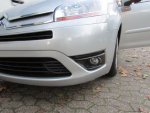

Ik bedoelde dus op de zijkant van de mount, op het deel wat je in de opening schuift.R1200C schreef: Anyway: waar willen jullie die tape eigenlijk bevestigen? Het rooster moet er wel weer makkelijk terug in kunnen...

Dan zou ik er voor kiezen om een stukje rubber of iets dergelijks met plakstrook er tussen te plakken.jpiek schreef:Ik bedoelde dus op de zijkant van de mount, op het deel wat je in de opening schuift.R1200C schreef: Anyway: waar willen jullie die tape eigenlijk bevestigen? Het rooster moet er wel weer makkelijk terug in kunnen...
Met de bedoeling deze net zo dik te maken dat 'ie stevig/klem zit in de opening, maar je hem er toch uit kunt halen als je dat wilt.